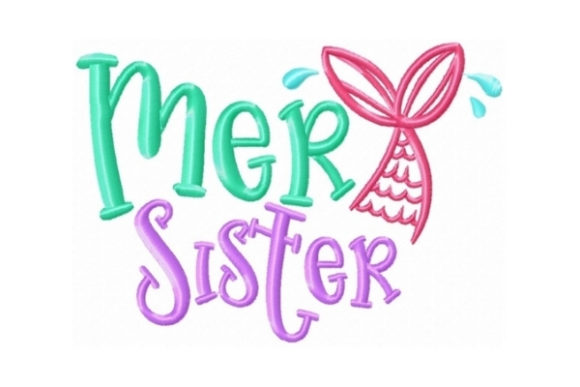
Mersister Embroidery Design Review
First Impressions of Mersister
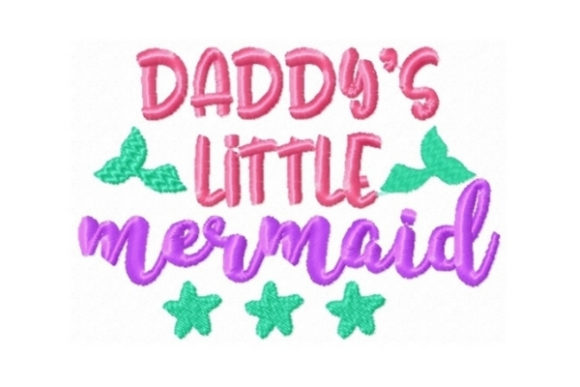
At first glance, Mersister feels cute and joyful, which immediately sets the tone for a design that's perfect for craft fair products. Its playful yet balanced composition makes it stand out as a machine embroidery design that can easily be adapted to various craft fair products. The soft curves and cheerful motifs suggest a beach-inspired theme, making it ideal for summer collections or seasonal handmade items.
The embroidery file is clean and well-structured, with no overly complex elements that could confuse stitchers or detract from its charm. This makes it a great candidate for both small shop product and commercial embroidery applications.
Evaluating Mersister on Different Products
Mersister shines when placed on products like tote bags, aprons, and tea towel embroidery. On a tote bag, it acts as a focal design that draws attention without overwhelming the fabric. Its scale works well on larger surfaces, allowing it to remain visible and impactful from a distance.
For apron embroidery, Mersister adds a touch of personality that complements functional items. It doesn't compete with the apron's utility but instead enhances its visual appeal. Similarly, on tea towels, it brings a sense of whimsy and joy to everyday kitchen items.
When applied to embroidered patches, Mersister becomes a small but effective accent design. It works well on caps, fabric pouches, and pillow covers where it adds a pop of color and character. On pillow covers, it provides a subtle decorative element that elevates the overall look of the product.
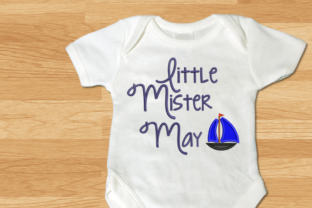
For market bags and handmade gifts, Mersister offers a unique selling point that differentiates your booth from others. It also performs well in printable mockups for Etsy listings, where its vibrant colors and clear details make it easy to showcase online.
Practical Selling and Production Considerations
Mersister is easy to understand at a glance, which is crucial for craft fair sellers who need to quickly convey the value of their products. As a small accent or large focal design, it adapts well to different product sizes and purposes.
Its design photographs beautifully for online listings, especially when paired with high-quality fabric and proper lighting. For batch production, the stitch density is manageable, though careful attention should be paid to thread colors and hoop size to ensure consistency across all units.
It’s also repeatable for batch production, provided you use the right stabilizer and test the embroidery file on scrap fabric before committing to large runs.
Careful Use Notes for Mersister
While Mersister is versatile, there are some considerations to keep in mind. Dense stitch areas may require additional stabilization, especially on thick fabric or textured towels. Tiny details and small lettering might not translate well to smaller sizes, so always test the design on fabric similar to what will be used for the final finished product.
On curved cap surfaces, the design may need slight adjustments to maintain clarity. Additionally, when using dark fabric, ensure that the thread colors provide sufficient contrast to preserve the design’s visibility and vibrancy.
Impact on Visual Appeal and Branding
Mersister significantly enhances the visual appeal of any product it adorns. It helps attract customer attention, particularly at a craft fair booth, where quick visual recognition is key. By adding a touch of joy and playfulness, it elevates the perceived product value and reinforces the handmade quality of your offerings.
Consistently using Mersister across your product line ensures brand consistency, helping customers recognize your work at a glance. This is especially beneficial for Etsy sellers and small shop product lines aiming to build a recognizable brand identity.
Embroidery Designer Tips for Using Mersister
To get the most out of Mersister, start by testing the digital embroidery file on scrap fabric. Check the thread contrast against different fabric colors and review the spacing of the design elements.
Confirm the hoop size required and inspect the stitch density to avoid issues during production. Always use the right stabilizer to prevent puckering or distortion. Create at least one real mockup to see how the design looks in person before mass-producing.
Compare fabric colors to ensure the design remains clear and vibrant. And finally, confirm the commercial licensing terms before selling finished products, as this is essential for legal compliance and peace of mind.