Shimeji Mushroom Embroidery Review
A First Look at the Shimeji Mushroom Design
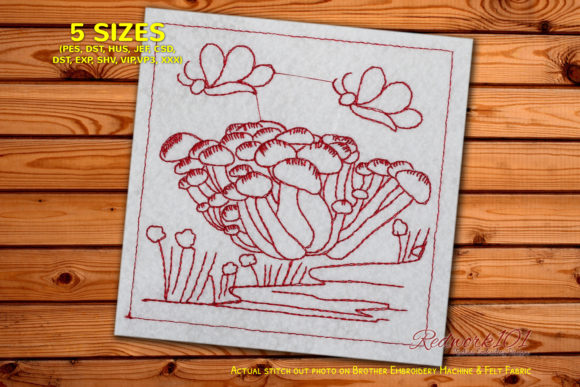
At first glance, the Shimeji Mushroom design feels whimsical yet grounded. Its simple silhouette and clean lines evoke a sense of playfulness, while the subtle details suggest a thoughtful approach to texture and form. The optional Box Stitch adds a layer of versatility, allowing for customization depending on the project’s needs.
The mushroom itself has a gentle curve that feels natural, almost like it could be plucked from a forest floor. This softness makes it an ideal candidate for handmade products that aim to convey warmth and approachability. I can already imagine it stitched onto a custom tote bag, adding a touch of charm without overwhelming the overall aesthetic.
Real-World Application: A Custom Tote Bag Scenario
Let’s say you’re preparing a custom embroidered tote bag for a boutique or a small shop. The Shimeji Mushroom would fit perfectly on a neutral canvas, perhaps in a muted earth tone. It brings a sense of nature into everyday items, which is exactly what customers are looking for in modern, eco-conscious designs.
I’d consider using the optional Box Stitch around the base of the mushroom to add depth, especially if the fabric is smooth and doesn’t require extra stabilizer. However, if the fabric is textured or stretchy, I’d skip the box stitch altogether and rely on the fill stitch to maintain clarity.
This design also works well as a patch or embroidered applique. Think about a holiday gift with a mushroom motif—perfect for a cozy kitchen apron or a baby onesie. The simplicity of the design ensures it won’t clash with other elements, making it a versatile choice for various embroidery projects.
Performance in Real-Life Embroidery Situations
The Shimeji Mushroom shows promise across a range of machine embroidery designs. From sweatshirt embroidery to tote bag design, this motif adapts well to different surfaces and scales. For custom apparel, its minimalist look complements both casual and professional wear, making it suitable for small shop products or even Etsy listings.
However, there are some considerations when working with this design. If you're using it on dark fabric, ensure that the thread colors have enough contrast to remain visible. Also, for curved surfaces like caps or pillow covers, test the design on scrap fabric first to see how the stitches hold up under tension.
The stitch density is moderate, which is great news for those who want to avoid overly dense areas that might cause puckering or stiffness. This makes it a good fit for textured fabrics and thin fabric, though proper stabilizer use is still essential for best results.
Where to Use with Caution
While the Shimeji Mushroom is quite adaptable, there are certain situations where care is needed. For instance, using it on small hoop sizes may result in loss of detail, especially if the design includes intricate parts. Similarly, layered garments or products that need frequent washing may require reinforcement or adjustments to the stitching pattern.
If you plan to use this design on curved surfaces like hats or caps, make sure the hoop size allows for proper placement and tension. Avoid using it on tiny lettering or dense stitch areas unless you’re confident in your machine setup and fabric choice.
Design Impact and Practical Notes
The Shimeji Mushroom contributes to visual appeal by offering a unique focal point without being too busy. It can elevate the handmade product feel of a personalized gift or commercial embroidery project. When used thoughtfully, it helps establish brand consistency, especially for craft businesses or digital product sellers looking to build a cohesive collection.
For buyers, this design enhances giftability and recognition. Whether it's a holiday embroidery piece or a nursery decor item, the mushroom motif has a universal appeal that can attract a wide audience.
As a designer, my practical notes include testing the embroidery file on scrap fabric before committing to a final project. Check the thread colors against your chosen fabric background, review the stitch density, and confirm the hoop size required. Always inspect small details and consider using a printable mockup to visualize the finished product on different backgrounds.
Lastly, if you plan to sell finished items or digital embroidery files, make sure to confirm licensing terms and ensure that the design aligns with your branding and product offerings.